
reeded glass panels
Effective Pigeon Control An Insight into Spike Products Pigeon control is an ongoing challenge for property owners and managers worldwide, as these birds often roost on buildings, ledges, and other structures, causing damage, health hazards, and aesthetic nuisances. Among the myriad of solutions available in the market, pigeon control spikes have emerged as a popular and humane method to deter these feathered intruders without harming them. This article delves into the world of pigeon control spikes, exploring their effectiveness, types, installation procedures, and why they are a preferred choice among many. **Understanding Pigeon Control Spikes** Pigeon control spikes, also known as anti-roosting spikes or bird spikes, are physical barriers designed to prevent pigeons and other birds from landing or nesting on unwanted surfaces. These devices consist of a series of long, needle-like projections mounted on a base that can be easily attached to building ledges, window sills, signs, and other areas where pigeons typically perch. The spikes create an uncomfortable and inaccessible landing area, thereby encouraging birds to seek alternative locations without causing them any physical harm. **Types of Pigeon Control Spikes** There are several types of pigeon control spikes available, each designed to suit different environments and applications 1. **Stainless Steel Spikes** Known for their durability and resistance to weather, stainless steel spikes are a popular choice for long-term use. They are rust-proof and can withstand harsh environmental conditions. 2. **Plastic Spikes** Made from durable polymers, plastic spikes are a cost-effective alternative. While not as sturdy as metal ones, they are lightweight and suitable for areas with less severe weather conditions. 3. **Flexi-Spikes** Designed to contour to uneven surfaces, flexi-spikes are made from flexible materials, making them ideal for irregularly shaped perching spots. 4. **Gel Spikes (or Visual Bird Deterrents)** Although not traditional spikes, gel products mimic the appearance of spikes and can be applied directly onto surfaces. They are particularly useful on intricate architectural details where physical spikes cannot be installed They are particularly useful on intricate architectural details where physical spikes cannot be installed They are particularly useful on intricate architectural details where physical spikes cannot be installed They are particularly useful on intricate architectural details where physical spikes cannot be installed pigeon control spikes products . **Installation and Maintenance** Installing pigeon control spikes is generally straightforward and can be done by homeowners or professionals. Most spike systems come with adhesive bases or clips for easy attachment. It's crucial to ensure the surface is clean and dry before applying the spikes. For larger installations or hard-to-reach areas, hiring a professional pest control service may be advisable. Maintenance is minimal, primarily involving periodic checks to ensure the spikes remain securely in place and free from debris. Stainless steel and plastic spikes require little to no maintenance beyond this, while gel products may need reapplication over time due to wear and weathering. **Why Choose Pigeon Control Spikes?** The appeal of pigeon control spikes lies in their combination of effectiveness and humane treatment of birds. Unlike some traditional methods such as poisons or traps, spikes do not harm the birds; instead, they simply alter the birds' behavior by making certain areas unattractive for roosting. This approach aligns well with ethical wildlife management practices. Furthermore, spikes are a cost-effective solution in the long run, requiring minimal investment after the initial setup. They help preserve the aesthetics of buildings by preventing bird droppings, which can corrode structures and stain facades, and they reduce the risk of disease transmission associated with bird feces. In conclusion, pigeon control spikes offer a practical, humane, and efficient way to manage pigeon populations around buildings and structures. With various designs tailored to different environments, property owners can select the most suitable option for their specific needs. By implementing these simple yet effective devices, one can successfully deter pigeons without compromising the welfare of these birds or the visual appeal of the property.
about
reeded glass panels
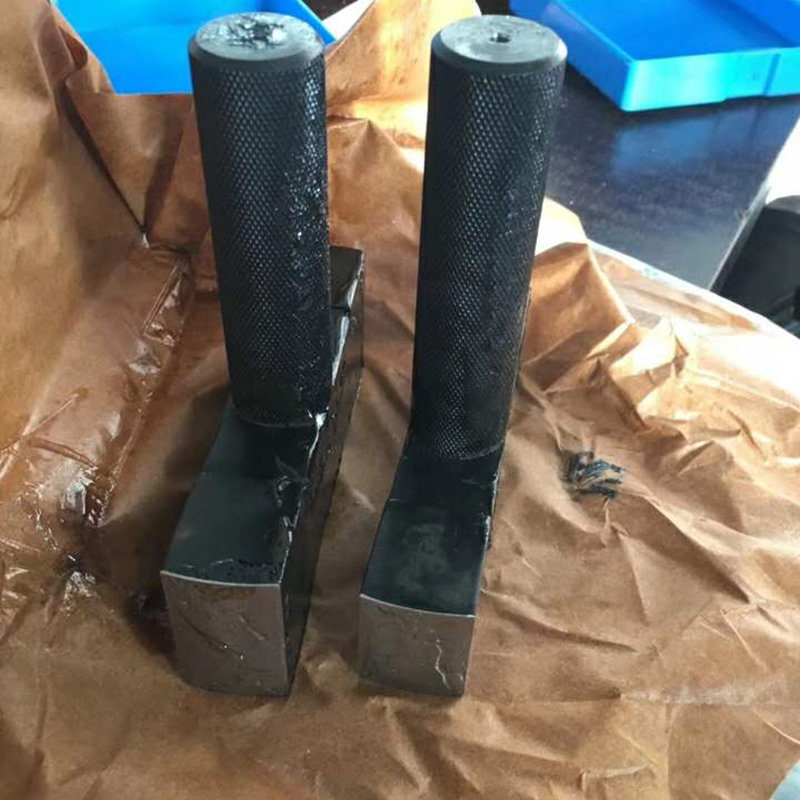
Understanding Magnetic V Blocks Size and Standards Magnetic V blocks are essential tools in various machining and mechanical engineering applications. These devices secure workpieces during processes such as grinding, milling, or cutting, providing stability and precision. The design of V blocks, characterized by their triangular grooves (the V shape), allows them to hold cylindrical or elongated materials effectively. However, their functionality hinges on an important factor size. This article explores the significance of magnetic V block size and the standards related to their use. The Importance of Size The size of a magnetic V block is vital for its effectiveness. A well-sized V block ensures that it can grip the workpiece securely without any slippage, which is crucial for achieving precision in machining processes. When selecting the size, engineers must consider both the dimensions of the workpiece and the specifications of the machine being used. A standard V block typically features dimensions that cater to various workpiece sizes, but variations are available for specific applications. For instance, standard sizes might range from small blocks designed for intricate components to larger blocks capable of holding heavier and more substantial items. Using a V block that is too small can lead to insufficient support, resulting in vibrations or movement during machining, which may compromise the quality of the finished product. Conversely, a block that is too large may be cumbersome, making it difficult to align and operate with precision. Magnetic Features magnetic v block size and standard The magnetic component of the V block is another critical aspect of its design. Most magnetic V blocks come with a powerful magnetic base that allows for strong adhesion to ferrous surfaces. This magnetic feature is especially beneficial in setups where traditional clamping methods may not be feasible. The magnet can be activated or deactivated with a simple switch, allowing for quick adjustments and repositioning of the workpiece. The effectiveness of the magnet can also depend on the size of the V block. A larger block typically has a larger surface area to accommodate magnets, leading to increased holding power. This is particularly important in applications requiring stability during high-speed machining processes where even the slightest movement can result in errors. Industry Standards The manufacturing and use of magnetic V blocks are subject to various industry standards to ensure quality and reliability. Some of these standards are established by organizations such as the American National Standards Institute (ANSI), the International Organization for Standardization (ISO), and other industry-specific governing bodies. These standards define the criteria for dimensions, material specifications, magnetic strength, and overall safety. When choosing a magnetic V block, it is essential to select one that adheres to these established standards. This ensures not only the tool's performance but also its compatibility with other equipment and components used in machining environments. Conclusion In summary, the size and standards of magnetic V blocks play pivotal roles in their effectiveness within machining and engineering processes. Selecting the appropriate size ensures that workpieces are securely held, promoting precision and safety during operations. The magnetic capabilities enhance the versatility of these tools, providing significant advantages over traditional clamping methods. Adhering to industry standards ensures that the blocks meet quality expectations and perform reliably across various applications. As industries continue to evolve and demand greater precision, the significance of understanding magnetic V block size and standards will only grow, making this knowledge indispensable for professionals in the field.
-

High quality industrial productsagement

High quality industrial products
View Details -

Meet the diverse needs of customers

Meet the diverse needs of customers
View Details -

Strict quality control

Strict quality control
View Details -

Top raw materials

Top raw materials
View Details -

Trusted supplier

Trusted supplier
View Details
Our application

news and information
What is the Difference Between Butterfly Valve and Gate Valve
Butterfly valves and gate valves have significant differences in multiple aspects, mainly reflected

Y Type Water Strainer for Efficient Filtration and Flow Management Solutions
Understanding Y-Type Water Strainers A Key Component for Fluid Management Water strainers are critic
water meter shut off valve
The significance of the water meter shut off valve often goes unnoticed until an emergency arises or
 English